The highlight of my 20s
Ten years ago, to the day, I was in my university’s library. I think someone had texted me to meet them near the café. As I reached the café, the barista called out to me. “Hey, Bharat. There’s something for you here,” he said, motioning towards the front counter. As I made my way to the counter, I had an idea of what was about to happen. I knew what day it was. What I didn’t expect to see was a group of my friends and classmates already there, waiting to surprise me. Everyone wished me a happy birthday, and I was presented with a customary slice of cake. Later that day, I enjoyed dinner with my best friends, and I hung out with them well into the night.
It was thus, on 18 April 2016, that my 20s began.
That first year was difficult. I was missing home more than ever, and the worsening demands of medical school were taking their toll on me. Furthermore, I didn’t really know what I wanted to do after university. I knew that I was going to become a doctor, but I didn’t know which field I wanted to specialise in. It felt like I had nothing figured out. To cope with the stress, as I often did (and, frankly, still do), I turned to video games; really, to one video game in particular — Kerbal Space Program.1 Imagine Lego for rocketry, combined with a physics engine. When I needed a break from the rigours of study, I could perform a lunar fly-by, design a launch vehicle, fly a high-G sortie in an experimental jet aircraft, or wander along the surfaces of vast, uncharted worlds. It was a fantastic form of escapism, one that served me well when I just needed to forget about medicine for a brief moment. Little did I know that I would end up finding a way to combine these two interests.
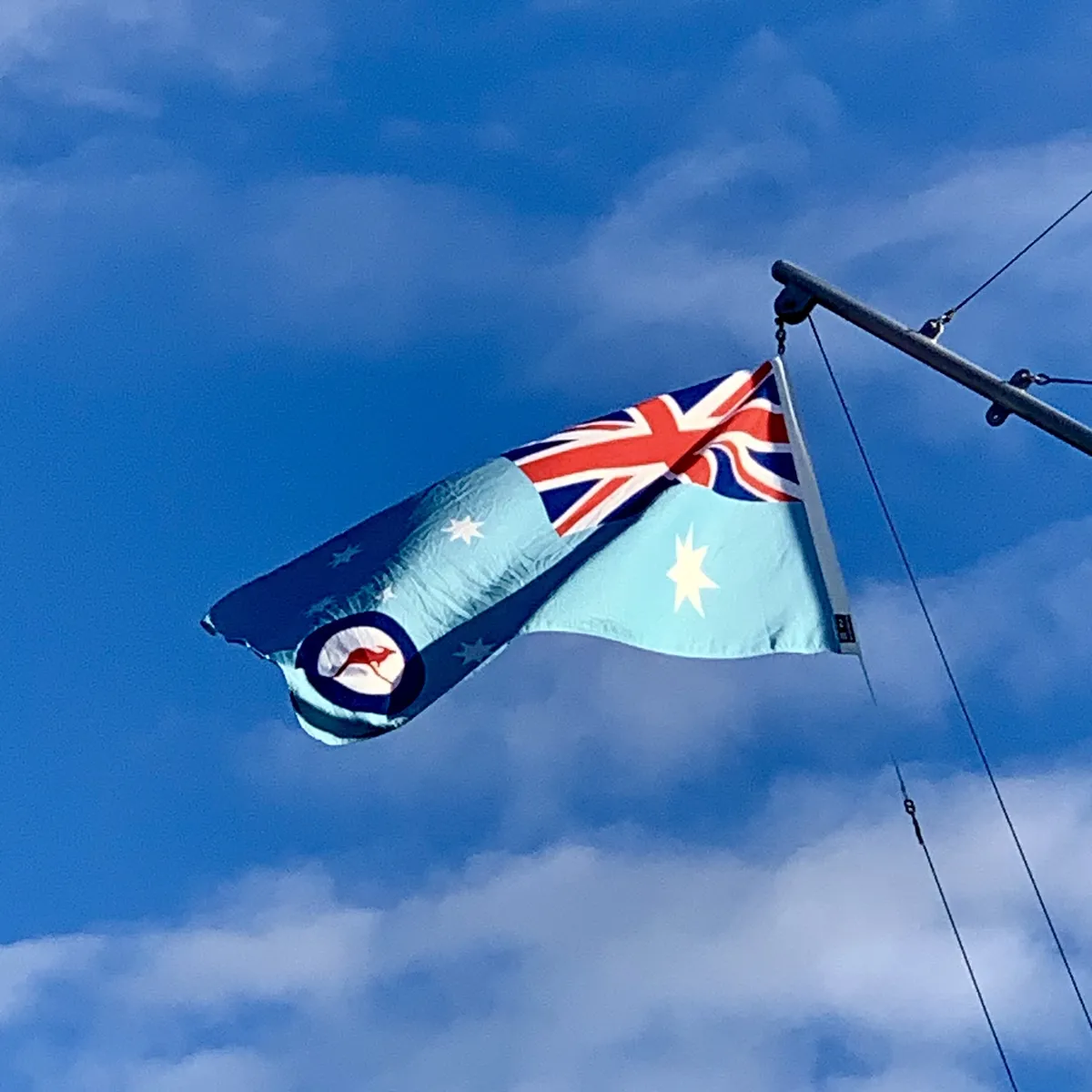
Now that they’re over, as of today, I can confidently state that the highlight of my 20s was the month I spent with the Royal Australian Air Force for my medical elective. No other experience has come close to surpassing what was achieved in that time, and no other day since then has ever been quite the same. During that brief stint, I learned about human factors in aviation, the physiology of G, high-G flying, night vision, and so much more. I got stick time — both in a simulator, and at the controls of a Piper PA-28 Cherokee. I experienced firsthand the importance of maintaining situational awareness and the effects of spatial disorientation. I got to see medicine applied in an operational capacity — used to increase our understanding of, and to help bridge the gap between, the man and the machine. Perhaps most importantly, I developed a deep appreciation for what it takes to maintain the capabilities we need to defend our country and its interests. The Air Force isn’t just a bunch of F-35s launching out of Williamtown and sending munitions downrange — it’s thousands of individuals working hard every single day. It’s the corporals guarding the bases, the reservists being called up at a moment’s notice, the researchers enhancing our knowledge. The doctors and nurses at IAM training our aircrew, and the AVMOs and AVNOs that helped convince a medical student to pursue a life in the air, and a future amongst the stars.
In short, I discovered what I wanted to do for the rest of my life during that month. I owe a massive debt of gratitude to the Air Force for showing me what aerospace medicine looks like, and for making my 20s that much more special.

As much as I loved KSP, I shifted my simulated flying over to War Thunder and Elite Dangerous while I awaited the release of the ill-fated Kerbal Space Program 2. If you'd like to see what kind of combat flight simulation I get up to these days, feel free to check out this montage I put together at the end of last year, in collaboration with my friends in the 'Team Sim' Twitch stream team.↩